Jaguar’s Sales Plummet:
The Cost of a Controversial Rebrand
In November 2024, Jaguar, the iconic British luxury car manufacturer, unveiled a bold rebranding campaign that sparked widespread controversy. The “Copy Nothing” initiative, marked by vibrant aesthetics, a new minimalist logo, and an advertisement featuring no cars, aimed to reposition the brand for a younger, urban, and design-driven demographic. However, the move, widely criticized as “woke” for its avant-garde visuals and perceived departure from Jaguar’s heritage, coincided with a catastrophic 97.5% drop in European sales in April 2025, with only 49 vehicles registered compared to 1,961 the previous year. Globally, sales fell from 180,833 units in 2018 to just 26,862 in FY24/25, prompting debates about whether the rebrand alienated loyal customers or if other factors were at play.
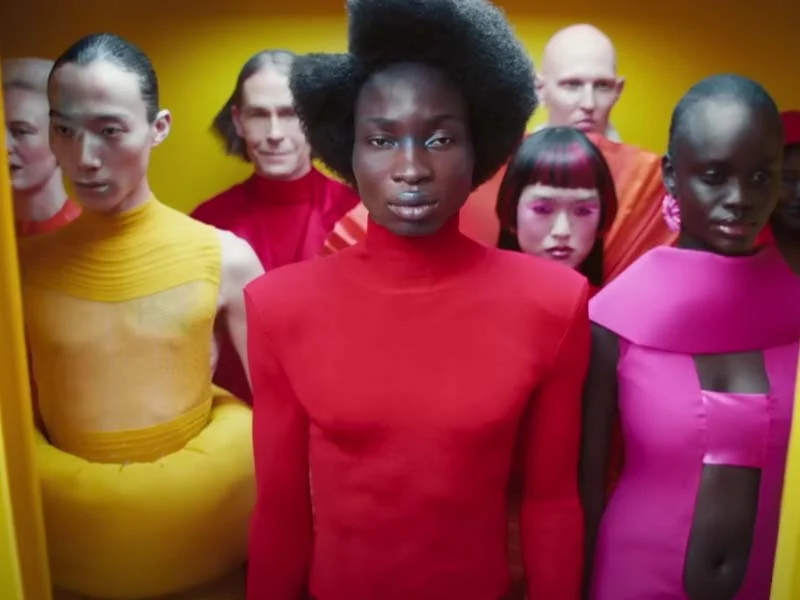
Jaguar’s rebrand was a radical departure from its storied legacy. For decades, the brand symbolized British engineering, performance, and luxury, epitomized by classics like the E-Type, which captured the imagination of icons like Steve McQueen and Frank Sinatra. The traditional “growler” big cat logo and all-caps “JAGUAR” font evoked power and prestige, appealing to affluent, heritage-conscious buyers. The new campaign, however, replaced the iconic logo with a geometric “J” design, mocked as resembling a handbag clasp, and introduced slogans like “Live Vivid” and “Delete Ordinary.” The initial ad, featuring androgynous models in flamboyant attire against abstract backdrops, baffled critics and fans alike. High-profile figures like Elon Musk quipped on X, “Do you sell cars?” while Nigel Farage warned of commercial suicide, branding the overhaul “woke.”
The backlash was swift and fierce. Social media platforms, particularly X, buzzed with outrage from loyalists who felt Jaguar had abandoned its roots. Posts lamented the loss of the brand’s “sleek, powerful luxury,” with one user noting, “It feels more like they’re selling makeup or house paint, not cars.” Marketing experts were equally critical. Californian designer Joseph Alessio called the rebrand a case study in “how not to do a rebrand,” while brand strategist Oli Garnett labeled it a “dog’s dinner.” The campaign’s focus on inclusivity and modern aesthetics was seen by many as pandering to a niche demographic that didn’t align with Jaguar’s core audience of performance-driven, affluent buyers.
Yet, Jaguar insists the sales collapse isn’t tied to the rebrand. The company’s “Reimagine” strategy, announced in 2021, involved a deliberate halt in production of all existing models—XE, XF, F-Type, E-Pace, and I-Pace—by the end of 2024 to transition to an all-electric lineup by 2026. This “sunset period” left dealerships with minimal inventory, with some reporting fewer than 10 new cars available. A Jaguar spokesperson argued, “Comparing sales to 2024 is pointless, as we are no longer producing vehicles in 2025 with low levels of retail inventory available.” The strategic pause, they claim, was always part of the plan to reposition Jaguar as a high-end, EV-only luxury brand targeting new customers, with 85% of future sales expected from those unfamiliar with the brand.
However, the timing and execution of the rebrand amplified the damage. Discontinuing nearly all models before new EVs were ready left Jaguar vulnerable in a competitive luxury market where BMW and Audi reported strong EV sales growth (32.4% and 50.4% in Q1 2025, respectively). The lack of product availability, combined with the polarizing campaign, created a perfect storm. Used car sales, a key indicator of consumer confidence, dropped 9% since the rebrand, suggesting buyers were hesitant to engage with a brand in flux. Jaguar’s parent company, Tata Motors, saw its stock dip, though broader market trends and other subsidiaries’ performance muddy the direct impact.
Some argue the rebrand’s publicity, albeit negative, was a calculated risk. The New Statesman suggested the controversy generated buzz, noting a 110% spike in web traffic post-rebrand. Jaguar’s leadership, including managing director Rawdon Glover, defended the campaign as a “complete reset” to break from “traditional automotive stereotypes” and appeal to a global, younger audience, particularly in markets like China. However, the gamble appears to have misfired. The campaign’s abstract messaging failed to resonate with new buyers while alienating loyalists, leaving dealers with stagnant showrooms and a shrinking customer base.
Jaguar’s plight offers a cautionary tale for brands navigating cultural shifts. While adapting to modern values and electrification is necessary, disregarding heritage and core customers can erode trust. The company’s pivot to EVs is bold, but without vehicles to sell and with a rebrand that confuses more than it captivates, Jaguar risks fading into irrelevance. To recover, it must reconnect with its legacy of performance and luxury while delivering compelling EVs. As one X user put it, “Jaguar built fire-breathing monsters, not pastel fever dreams.” The road ahead is steep, but the brand’s heritage suggests it’s not out of the race yet.
0 Comments