Bud Light’s Campaign with Dylan Mulvaney:
A Case Study in Marketing Missteps and the “Go Woke, Go Broke” Phenomenon
 In April 2023, Bud Light, a leading American beer brand under Anheuser-Busch InBev, launched a social media promotion featuring transgender influencer Dylan Mulvaney. The campaign, intended to broaden the brand’s appeal to younger, more diverse audiences, instead sparked a significant backlash, leading to a boycott that cost the company an estimated $1.4 billion in annual revenue and its position as the top-selling beer in the United States. We will examine the factors contributing to the campaign’s failure, analyzes the resulting financial and reputational damage, and evaluates why this episode is frequently cited as an example of the phrase “Go Woke, Go Broke,” which suggests that brands embracing progressive social causes such as DEI risk alienating their core customer base and suffering financial losses.
The Campaign and Its Immediate Fallout
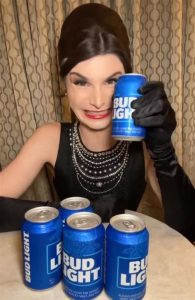
The Bud Light campaign with Dylan Mulvaney was a modest social media initiative. On April 1, 2023, Mulvaney, a TikTok personality with over 10 million followers, posted a short Instagram video promoting Bud Light’s “Easy Carry Contest” tied to March Madness. The video included a custom-designed can featuring Mulvaney’s face, sent as a gift to celebrate the one-year anniversary of Mulvaney’s “Days of Girlhood” series, which documented Mulvaney’s gender transition. The campaign aimed to align with Bud Light’s strategy to “evolve and elevate” the brand by appealing to a broader demographic, including younger and more inclusive audiences, as articulated by Alissa Heinerscheid, the brand’s Vice President of Marketing at the time.
However, the campaign triggered an immediate and intense backlash from conservative consumers, who viewed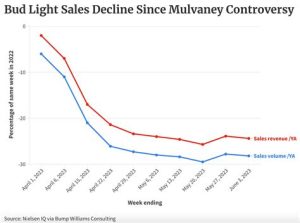 the partnership as an example of “woke” corporate activism. Prominent figures, including musician Kid Rock, who posted a video shooting cases of Bud Light with a submachine gun, and politicians like Florida Governor Ron DeSantis, called for a boycott, framing the campaign as an attempt to push progressive gender ideology. Social media amplified the outrage, with hashtags like #GoWokeGoBroke gaining traction. The boycott extended beyond social media, with reports of unsold Bud Light stock piling up in stores and a 20-25% sales drop in some regions within days.
Why the Campaign Failed
Several factors contributed to the campaign’s failure. First, Bud Light misjudged its core audience. Historically marketed to a predominantly male, working-class demographic, the brand’s association with a transgender influencer was perceived by many loyal customers as a departure from its traditional identity. This misalignment sparked a sense of betrayal among consumers who felt the brand no longer reflected their values. Research from Harvard Business Review indicates that boycotts are more effective when a product is highly substitutable, as beer is, allowing consumers to easily switch to competitors like Coors Light or Modelo, which saw sales increases of 17.6% and 19%, respectively, during the boycott.
Second, Anheuser-Busch’s response exacerbated the crisis. Rather than standing by Mulvaney or clearly defending the campaign, the company issued a vague statement from CEO Brendan Whitworth, emphasizing a desire to “bring people together over a beer” without directly addressing the controversy. This lack of clarity alienated both conservative consumers, who felt the company did not retract the campaign, and progressive supporters, who criticized Bud Light for failing to support Mulvaney amid transphobic harassment. The decision to place Heinerscheid and another executive, Daniel Blake, on leave further signaled capitulation, undermining the brand’s credibility with the LGBTQ+ community and reinforcing the narrative of a poorly planned initiative.
Third, the campaign lacked cultural intelligence. Bud Light failed to anticipate the polarized cultural landscape surrounding transgender issues, particularly given the ongoing political debates over transgender rights in the United States. The company’s prior LGBTQ+ initiatives, such as Pride sponsorships, had largely flown under the radar, but the visibility of Mulvaney’s campaign, amplified by her large social media following, made it a lightning rod for criticism. This oversight highlights a failure to prepare for potential backlash, a critical misstep in crisis management.
Financial and Reputational Consequences
The financial impact of the boycott was severe. By mid-June 2023, Bud Light sales had plummeted by 29.9% compared to the previous year, according to industry data. Anheuser-Busch’s stock fell by 20%, wiping out $26 billion in market valuation. Modelo Especial overtook Bud Light as the top-selling beer in the U.S., a position Bud Light had held for over two decades. The Human Rights Campaign Foundation rescinded Anheuser-Busch’s top rating for LGBTQ+ equality, citing the company’s failure to support Mulvaney. The boycott’s longevity, lasting well into 2024, defied predictions that it would fade quickly, as noted by industry analysts who described it as unprecedented in the consumer goods sector.
Reputationally, Bud Light became a cautionary tale for brands navigating social issues. The term “Bud Lighted” emerged to describe boycotts targeting perceived “woke” corporate actions, reflecting the campaign’s cultural impact. Anheuser-Busch’s attempts to recover, including traditional Super Bowl ads and partnerships with less controversial figures like comedian Shane Gillis, have yet to fully restore the brand’s market position, with sales still lagging as of early 2025.
The “Go Woke, Go Broke” Narrative
The phrase “Go Woke, Go Broke” encapsulates the belief that companies adopting progressive social stances risk financial ruin by alienating conservative consumers. The Bud Light campaign exemplifies this due to its measurable financial losses and the widespread perception that the brand’s attempt to appeal to a progressive demographic backfired. Critics argue that Bud Light’s misstep was not the inclusion of Mulvaney per se, but the failure to align the campaign with its core audience’s values or to prepare for backlash in a polarized climate. The campaign’s fallout fueled broader discussions about “woke capitalism,” with conservative commentators like Robby Starbuck framing it as evidence that brands must prioritize their primary customer base over ideological messaging.
However, the narrative is not universal. Some experts, like those cited in CNN Business, argue that inclusive campaigns can be lucrative when executed with authenticity and commitment. Bud Light’s error was not its inclusivity but its inconsistent response, which alienated both sides. This suggests that “Go Woke, Go Broke” oversimplifies the dynamics of brand activism, where success depends on strategic alignment and crisis preparedness rather than the mere adoption of social causes.
Conclusion
The Bud Light campaign with Dylan Mulvaney serves as a stark example of how a well-intentioned marketing effort can falter due to poor audience alignment, inadequate crisis management, and cultural miscalculation. The resulting boycott, which cost Anheuser-Busch billions and reshaped the beer market, underscores the risks brands face when navigating divisive social issues. While the “Go Woke, Go Broke” phrase captures the campaign’s financial fallout, it also highlights the need for brands to approach inclusive marketing with strategic foresight and unwavering commitment to their values. Bud Light’s experience is a lesson in the delicate balance between broadening appeal and maintaining brand loyalty in a polarized world.
0 Comments